

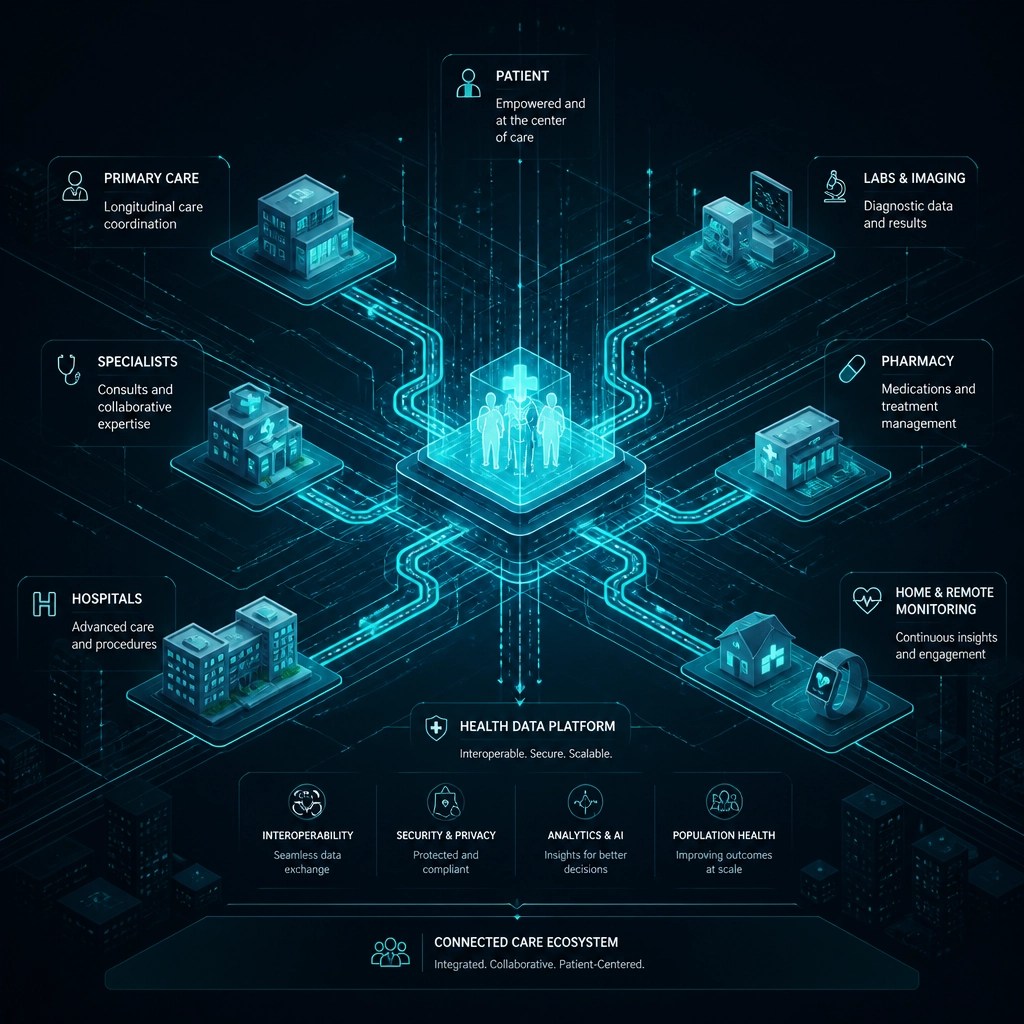
The evolution of the UK eye care sector is not merely a story of medical advancement; it is a narrative of systemic standardisation and the dismantling of professional silos. For decades, the industry operated within a fragmented framework where primary optometry and tertiary surgery existed as separate entities, often resulting in operational friction and a lack of clinical continuity.
This structural misalignment created "data leakage" in the patient journey: a systemic failure where critical clinical insights were lost during the transition from high-street optometry to surgical theatres. To rectify this, the industry required a technical architect capable of bridging these two distinct disciplines.
Professor David Gartry is that architect. His career serves as the ultimate blueprint for the "Shared Care" model, proving that the highest levels of surgical precision are built upon a foundation of primary care expertise.
1. The Problem: The High Cost of Siloed Clinical Care
In a traditional healthcare ecosystem, the "silo" is a significant operational risk. When optometrists and surgeons operate in isolation, the technical debt of the patient journey increases. Miscommunication regarding pre-operative measurements or post-operative recovery protocols can lead to visibility decay and suboptimal clinical outcomes.
Historically, the UK eye care market suffered from a lack of integrated infrastructure. This was not just a clinical issue; it was a matter of professional compliance and operational efficiency. Without a standardised framework for collaboration, patients faced a disjointed experience, and clinicians faced increased liability.
In the modern landscape: governed by strict regulations such as UK GDPR and the rising expectations of patients: the "DIY" approach to patient management is a liability. Stability in the patient journey requires a unified system.

2. The Infrastructure: A Professional Bridge Built on Precision
The "Shift" in our industry is defined by the transition from siloed practices to an integrated, tech-first future. Professor David Gartry embodies this professional evolution through his unique dual-qualification background.
The Optometric Foundation (1978)
In 1978, David Gartry qualified as an optometrist, obtaining First Class Honours from Glasgow Caledonian University. This is the cornerstone of his career. For the NeedAnOptom community, this fact is mission-critical. It establishes a shared language. Gartry did not enter the world of surgery from an "ivory tower"; he began at the primary care level, completing his pre-registration training at Moorfields Eye Hospital in 1979.
This background allows him to view surgery not as an isolated event, but as a technical intervention within a broader clinical ecosystem. He understands the nuances of refraction, the complexities of contact lens fitting, and the day-to-day challenges faced by high-street optometrists. This foundational knowledge is the infrastructure upon which his surgical success was built.
The Surgical Milestone (1989)
After transitioning into medicine and qualifying in ophthalmic surgery, Gartry reached a pivotal point in UK medical history. In November 1989, at St Thomas’ Hospital in London, he performed the first excimer laser photorefractive keratectomy (PRK) procedure in the United Kingdom.
This was more than a medical first; it was a technical "Shift" that changed the country's surgical landscape. By leveraging nascent laser technology, Gartry moved the industry away from manual blade incisions toward automated, digital precision. He didn't just perform a procedure; he engineered a new standard of care.
3. Growth: The Era of Collaborative Shared Care
When clinical systems are optimised and integrated, the result is scalable success. Professor Gartry’s career provides the data points to prove this:
- 30,000+ successful laser eye surgery procedures.
- 20,000+ cataract and lens exchange procedures.
- The founding of The Wimpole Eye Clinic as a centre of excellence.
These figures are not just markers of a successful career; they are the output of a high-performance clinical system. By maintaining strong ties with the optometric profession: exemplified by his Honorary Fellowship of The British College of Optometrists: Gartry has fostered an environment of Collaborative Shared Care.
Scalable Acquisition through Technical Stability
For modern practitioners, the lesson is clear: growth is a byproduct of stability. By collaborating with a surgeon who understands the optometric framework, practices can mitigate risk and improve patient retention. This is not about "sending patients away"; it is about integrating into a professional network that enhances the value of the primary care practice.
In an era where the National Living Wage and rising operational overheads put pressure on high-street margins, leveraging a managed referral system is an essential strategy for commercial expansion.
Conclusion: Engineering the Future of Eye Care
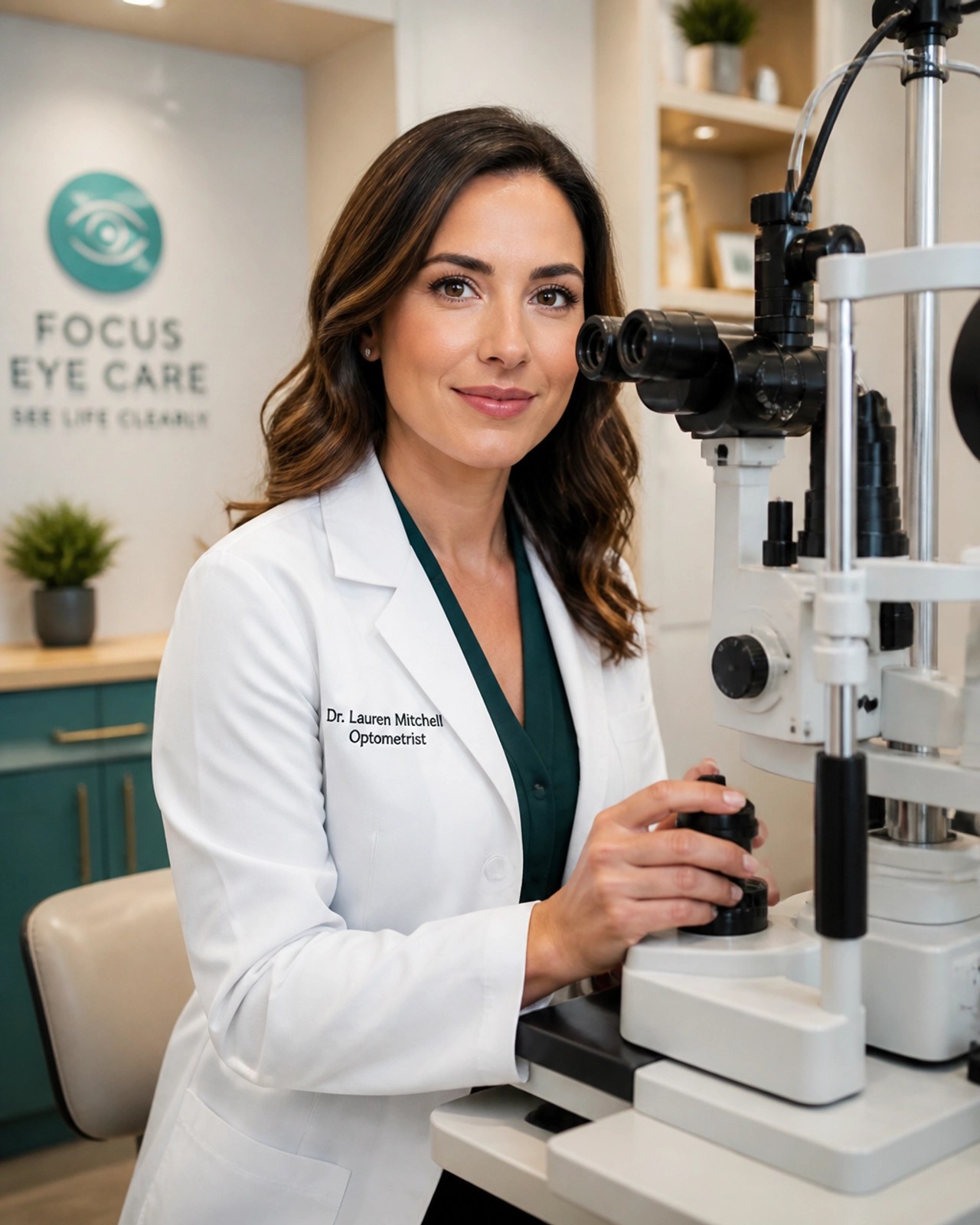
The "Surgeons and Shifts" campaign is a testament to the fact that the most resilient clinical systems are those that embrace collaboration. Professor David Gartry’s journey from a 1978 optometry graduate to the UK’s laser surgery pioneer is a masterclass in professional integration.
At NeedAnOptom, we are building the digital infrastructure to facilitate these exact connections. We provide the tools for optometrists to find the right clinical environments and for surgeons to find the expert partners they need to maintain their "always-on" clinical standards.
Precision is the only path to conversion, and collaboration is the only path to scale. To learn more about how we are optimising the eye care workforce, visit our blog or explore our managed recruitment services.
