

Category: SEO
In the current commercial landscape, automation is no longer a luxury; it is the fundamental infrastructure upon which modern businesses scale. However, the transition from manual operations to automated ecosystems is frequently compromised by technical debt and structural inconsistencies. At ZeroPoint Creative, we view digital services not as creative exercises, but as mission-critical technical systems. When these systems are poorly architected, they do not just fail: they create systemic risk.
Identifying and rectifying these failures is essential for operational excellence. If your automation strategy feels like a series of disconnected "hacks" rather than a cohesive architecture, you are likely falling into one of these seven common traps.
1. Automating Faulty or Unoptimised Processes (Technical Debt)
The Problem: Systemic Failure
The most frequent error in digital transformation is "automating the mess." When an organisation takes a manual process: riddled with bottlenecks, redundant steps, or logical flaws: and applies automation, it merely accelerates the rate of failure. Instead of solving the friction, you have encoded it into your infrastructure. This creates immediate technical debt that becomes increasingly expensive to rectify as your business scales.
The Infrastructure: Technical Solution
Before any code is deployed or any AI agent is integrated, a rigorous process review must be conducted. This involves mapping every data point and decision node within the workflow. By consulting with a business process automation expert, you can standardise the workflow before it is operationalised.
The Growth: Outcome
Optimising the logic before automation ensures that the system is lean, resilient, and ready for high-volume execution. A standardised process is a scalable process.
2. Fragmented Ecosystems and Data Leakage
The Problem: Systemic Failure
Many businesses adopt automation in silos: a marketing bot here, a billing script there, and a CRM integration elsewhere. This fragmentation leads to "data leakage," where critical information is trapped between disconnected platforms. Not only does this reduce visibility, but it also creates significant operational friction as manual intervention is required to bridge the gaps.
The Infrastructure: Technical Solution
Architect a centralised data model where all automations communicate through a unified API layer or middleware. Leveraging technologies like the WordPress Abilities API allows you to turn your website into a central hub for business operations, ensuring data flows seamlessly between your core systems and your public-facing assets.
The Growth: Outcome
A unified ecosystem reduces overhead and provides a single source of truth, enabling data-dense reporting and clinical precision in decision-making.

3. Ignoring UK GDPR and Compliance Requirements
The Problem: Systemic Failure
In the UK and EU, automation without compliance is a liability. Many businesses automate personal data processing: such as lead capture or customer support: without considering the UK GDPR or the emerging EU AI Act. Using "off-the-shelf" automation tools that store data in non-compliant jurisdictions or fail to provide audit logs puts your organisation at severe regulatory risk.
The Infrastructure: Technical Solution
Integrate "Privacy by Design" into your automation architecture. This means implementing least-privilege access for all automated agents and ensuring that data residency aligns with UK legal standards. Every workflow must have built-in logging and a clear protocol for data retention and deletion.
The Growth: Outcome
A compliant infrastructure is a resilient infrastructure. By mitigating legal risks early, you protect your commercial reputation and avoid the catastrophic costs of data breaches or regulatory fines.
4. The "DIY" Platform Trap (Structural Weakness)
The Problem: Systemic Failure
The rise of "no-code" tools has led many business owners to believe they can build complex enterprise workflows themselves. While these platforms are useful for simple tasks, they often lack the structural integrity required for mission-critical operations. DIY solutions typically lack robust error handling, version control, and performance monitoring, leading to "ghost failures" where processes stop working without notification.
The Infrastructure: Technical Solution
Shift from DIY to managed digital systems. A professional implementation involves bespoke scripts, hardened security protocols, and integration with managed website maintenance services. This ensures that your automations are built on professional-grade infrastructure that is continuously monitored and updated.
The Growth: Outcome
Managed systems offer 24/7 reliability. When you move away from brittle DIY setups, you gain the stability needed to focus on commercial expansion rather than troubleshooting.
5. Absence of Proactive Monitoring and Oversight (Visibility Decay)
The Problem: Systemic Failure
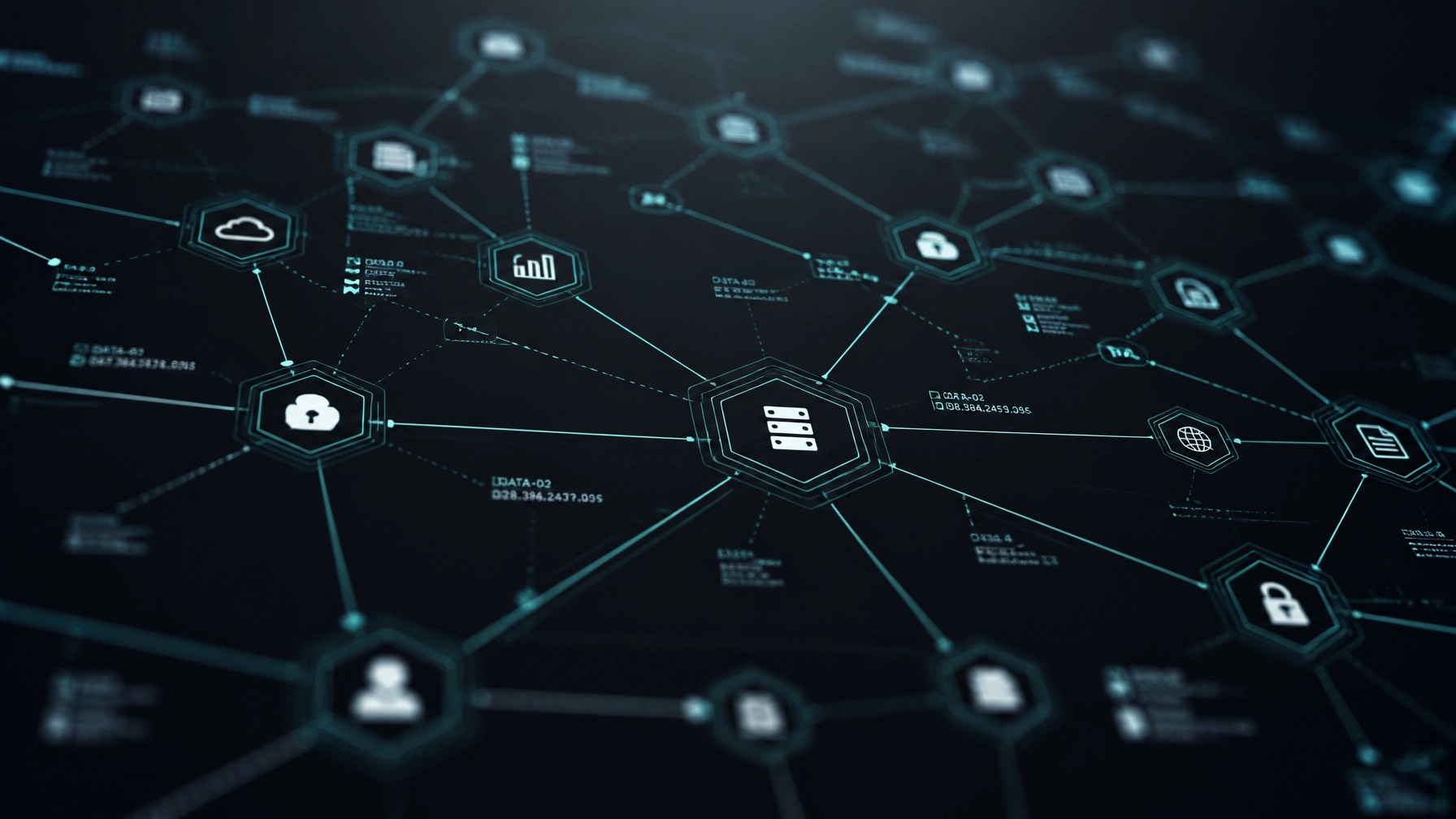
There is a dangerous "set it and forget it" mentality in automation. However, digital environments are dynamic; APIs change, browser standards update, and data formats evolve. Without proactive oversight, automations suffer from "visibility decay": the gradual degradation of performance that eventually leads to a total system collapse.
The Infrastructure: Technical Solution
Implement an "always-on" monitoring protocol. This involves automated health checks that ping your workflows every minute and alert technical teams the moment a latency threshold is crossed or an error is logged. Much like website maintenance protocols, your automation requires continuous auditing to ensure operational continuity.
The Growth: Outcome
Proactive monitoring ensures uptime. By catching issues before they impact the end-user, you maintain frictionless operations and predictable performance.
6. Lack of "Human-in-the-Loop" Logic (Operational Friction)
The Problem: Systemic Failure
Over-automation is as detrimental as no automation. Attempting to remove humans from complex decision-making processes often results in "AI hallucinations" or logical errors that frustrate customers and staff. When a system lacks an exception-handling protocol, it creates friction that eventually requires human intervention to "fix," often after the damage is done.
The Infrastructure: Technical Solution
Engineer "Human-in-the-Loop" (HITL) checkpoints. This involves integrating AI automation where the technology handles the repetitive data processing, but high-stakes decisions are flagged for human review. This hybrid approach leverages the speed of AI with the clinical precision of human expertise.
The Growth: Outcome
Balancing automation with human oversight creates a superior customer experience and prevents the data rot associated with unsupervised AI agents.
7. Failing to Scale with Infrastructure (Resource Inefficiency)
The Problem: Systemic Failure
A workflow that works for 100 leads a month will often break at 10,000. Many businesses fail to consider the resource impact of automation on their hosting environment or database performance. As the volume of data increases, poorly engineered automations consume excessive CPU and memory, leading to site slowdowns or infrastructure crashes.
The Infrastructure: Technical Solution
Build for scalability from day one. This requires performance-driven builds and high-performance managed hosting. By using tiered packages that grow with your business, you ensure that your digital infrastructure has the "headroom" to handle peak loads without compromising stability.
The Growth: Outcome
Scalable architecture allows for unlimited commercial expansion without the need for periodic, costly rebuilds.
Summary: Stability is the Primary Metric
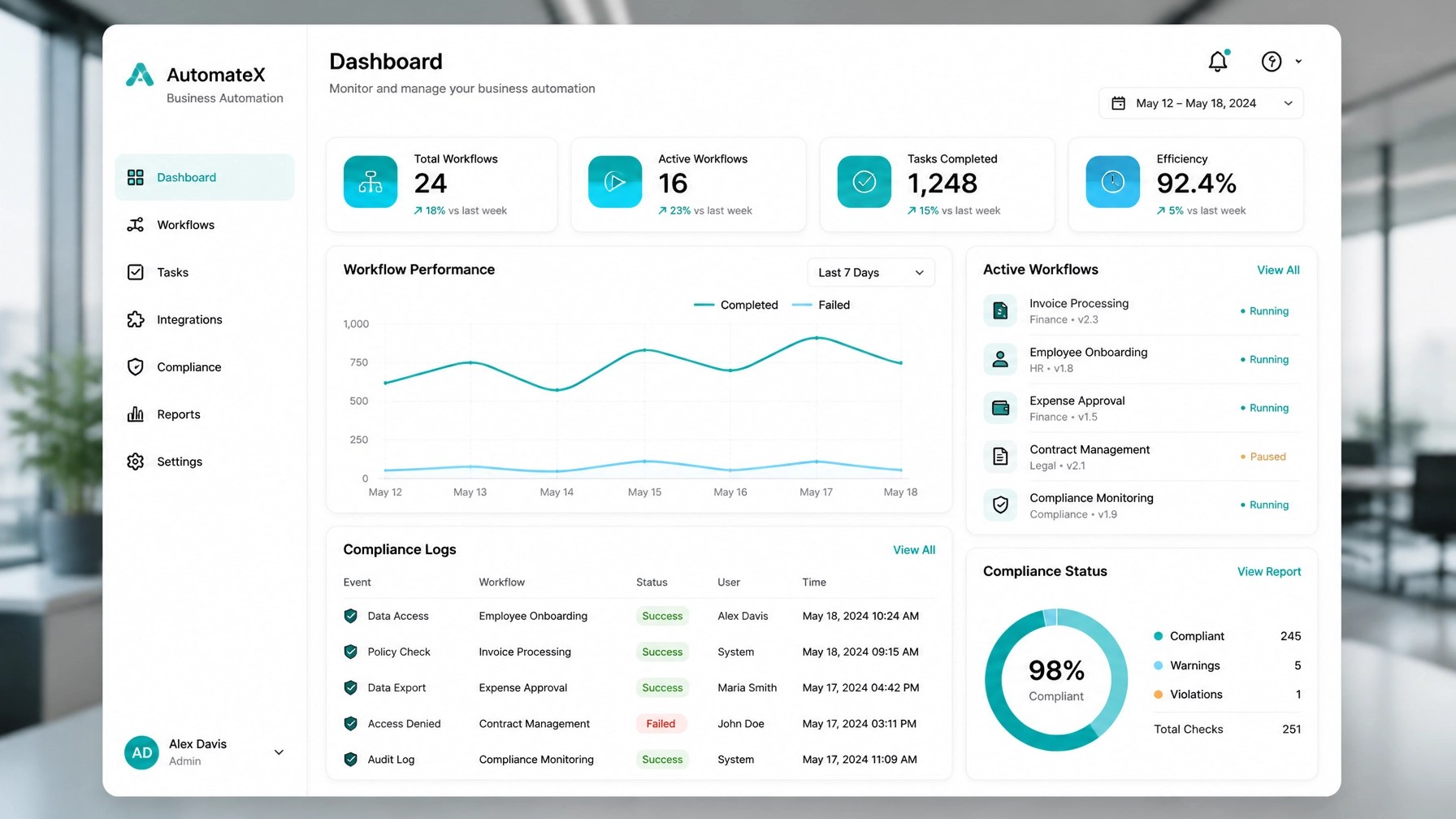
Automation should not be viewed as a creative project or a quick fix for operational inefficiency. It is a technical system that requires architectural foresight, clinical precision, and continuous managed support. By avoiding these seven common mistakes, you can transition from a state of operational friction to one of operational excellence.
At ZeroPoint Creative, we specialise in architecting these resilient ecosystems. Whether you are looking to integrate AI staffing into your workflow or require a fully managed hosting environment that scales with your growth, our focus remains on precision, reliability, and stability.
Precision is the only path to conversion.
